The City of Loveland advertised the "Lincoln Place" to be the catalyst for bringing shoppers back to
downtown Loveland. The former site of Walgreens is now home to a building (encompassing a full
block downtown) constructed and approved, in part, on the premise that it would provide additional
public parking in Loveland's downtown.
Lincoln Place is the flagship project of the Loveland Urban Renewal Authority (LURA), an authority
of the City of Loveland, Colorado, created to subsidize downtown redevelopment with future tax
dollars. In this case, $7.7 million dollars of public debt was projected in the financial plan to
contribute to Lincoln Place. The Loveland City Council also approved a maximum debt limitation of
$17.2 million for the project.
To date, according to the City Manager Don Williams, the bonds have not been issued therefore the
public debt portion hasn't yet been contributed. However, there was the waiver of certain fees
including $80,000 in use taxes for the project. The City Resolution allowing the waiver did include
the public parking among the benefits of the project justifying the waiver.
Public debt for redevelopment is created by forming a special tax district (referred to as the Lincoln
District) that sells bonds to raise money. The District guarantees repayment of these bonds through
revenue streams created from future taxes. According to Loveland City Council Resolution 29-2004,
to raise the estimated cost of improvements for Lincoln Place of $6.1 million the general obligation
financing was proposed at $7.9 million in bonds. Among the initial costs, a 2% fee for the issuer of
the bonds not to mention the better part of $1 million for the "cost of issuance" in addition to the
commission. A "project account" and other overhead expenses.
The bonds are supposed to be paid back through increased revenue from future property and sales
taxes. Tax Increments is the term used to describe additional taxes expected that otherwise would
not have been generated by the properties in the specific district. In addition, a special increase in
property tax was authorized in the form of a mill levy to ensure sufficient money is raised from the
property itself.
The forecasts for paying back the debt appear to rely heavily on two assumptions that do not always
prove to be true. First, the projections show property values rising steadily for the next 25 years and
higher sales tax revenues due to steady annual increased volumes of sales in downtown. Anyone
who reads the local economic news knows that all property (residential and commercial) has not been
gaining value as expected.
Depending on increasing sales tax revenue may be in error given the City of Loveland's poor history
in projecting sales tax revenue. In 2006 the city over-estimated sales tax revenue by $1 million but
made-up for some of the short fall through reduced spending. The Lincoln tax District will need to
repay fixed interest rate debt with fluctuating revenue thus creating potential problems if sales
revenue isn't growing each year.
Loveland taxpayers should note the specific remedy available to the District should such a shortfall
occur. Page 9 of the Lincoln District financial plan states, "These revenue sources should be
sufficient to retire the proposed indebtedness if growth occurs as projected; otherwise, increases in
the Debt Service Mill Levy and/or the imposition of rates, tolls, fees and charges may be necessary."
Other public subsidies approved for the project by the Loveland City Council included granting a
waiver of nearly $80,000 in use taxes in 2005. The ordinance granting this waiver specifically noted
the public parking garage as a reason to grant the use tax waiver to the developer. However, the
developer believed he was promised $250,000 in use tax waivers. According to a December 5, 2005
story in the IRES (Information and Real Estate Service) for Northern Colorado,
"Disagreement over Tax Waiver: Apparently the Loveland City Council and the developers of
Lincoln Place don't believe in contracts. This week the developers asked the council to make
good on their promise to waive $250,000 in use taxes on the project. However, the city
manager and the council said they don't remember any such agreement. Instead the council
voted to waive nearly $80,000, far less than the developers had requested. Note: The moral of
the story is something REALTORS do as a matter of course. When it comes to contacts, get it
in writing."
The catalyst for so much public money into the project was the promise by the developer to provide
a public parking garage that shoppers could use when parking downtown. Other public infrastructure
included the sidewalks, utilities, street parking and improved pedestrian paths.
Now the developer wants to pull the garage from the public status and make the parking private.
Lincoln Place houses 190 residences and 22,000 square feet of commercial space. The parking
garage holds a maximum of 304 vehicles thus providing only 1.6 parking space per residence. Many
of the residences have three bedrooms and over 1,500 square feet. It is important to note that of the
9 different apartment models, many are also one bedroom units thus 2 parking spaces were not
planned for these units. It appears that the developer has now learned that parking (especially
dedicated parking) is a must for many renters and likely an important ingredient missing in the
original assumptions used in his business plan.
Lincoln Place was planned without providing even two inside parking spaces per residence. Add to
that the demand for inside parking by shoppers at the added retail and commercial spaces of 22,000
square feet and its clear the parking will be inadequate. The public will not find any parking in the
building which will frustrate both downtown shoppers and residents of the building. It appears as
though Lincoln Place will need to rely on street parking to accommodate even their own tenants and
guests.
Now the developer is asking the City Council to consider allowing a change to private parking only in
the building. This will raise legal questions as to whether the City Council can properly unwrap all
the considerations provided in exchange for the promise of public parking.
LovendPolitics.com has requested from the City of Loveland the developer's correspondence
regarding the proposed changes to be addressed by the City Council in the future. Apparently, the
numbers are still in flux so the issue could come back to Council at a later date. The City Attorney's
office is reviewing what information regarding the developer's request can be made public. When we
receive it will be made available here.
downtown Loveland. The former site of Walgreens is now home to a building (encompassing a full
block downtown) constructed and approved, in part, on the premise that it would provide additional
public parking in Loveland's downtown.
Lincoln Place is the flagship project of the Loveland Urban Renewal Authority (LURA), an authority
of the City of Loveland, Colorado, created to subsidize downtown redevelopment with future tax
dollars. In this case, $7.7 million dollars of public debt was projected in the financial plan to
contribute to Lincoln Place. The Loveland City Council also approved a maximum debt limitation of
$17.2 million for the project.
To date, according to the City Manager Don Williams, the bonds have not been issued therefore the
public debt portion hasn't yet been contributed. However, there was the waiver of certain fees
including $80,000 in use taxes for the project. The City Resolution allowing the waiver did include
the public parking among the benefits of the project justifying the waiver.
Public debt for redevelopment is created by forming a special tax district (referred to as the Lincoln
District) that sells bonds to raise money. The District guarantees repayment of these bonds through
revenue streams created from future taxes. According to Loveland City Council Resolution 29-2004,
to raise the estimated cost of improvements for Lincoln Place of $6.1 million the general obligation
financing was proposed at $7.9 million in bonds. Among the initial costs, a 2% fee for the issuer of
the bonds not to mention the better part of $1 million for the "cost of issuance" in addition to the
commission. A "project account" and other overhead expenses.
The bonds are supposed to be paid back through increased revenue from future property and sales
taxes. Tax Increments is the term used to describe additional taxes expected that otherwise would
not have been generated by the properties in the specific district. In addition, a special increase in
property tax was authorized in the form of a mill levy to ensure sufficient money is raised from the
property itself.
The forecasts for paying back the debt appear to rely heavily on two assumptions that do not always
prove to be true. First, the projections show property values rising steadily for the next 25 years and
higher sales tax revenues due to steady annual increased volumes of sales in downtown. Anyone
who reads the local economic news knows that all property (residential and commercial) has not been
gaining value as expected.
Depending on increasing sales tax revenue may be in error given the City of Loveland's poor history
in projecting sales tax revenue. In 2006 the city over-estimated sales tax revenue by $1 million but
made-up for some of the short fall through reduced spending. The Lincoln tax District will need to
repay fixed interest rate debt with fluctuating revenue thus creating potential problems if sales
revenue isn't growing each year.
Loveland taxpayers should note the specific remedy available to the District should such a shortfall
occur. Page 9 of the Lincoln District financial plan states, "These revenue sources should be
sufficient to retire the proposed indebtedness if growth occurs as projected; otherwise, increases in
the Debt Service Mill Levy and/or the imposition of rates, tolls, fees and charges may be necessary."
Other public subsidies approved for the project by the Loveland City Council included granting a
waiver of nearly $80,000 in use taxes in 2005. The ordinance granting this waiver specifically noted
the public parking garage as a reason to grant the use tax waiver to the developer. However, the
developer believed he was promised $250,000 in use tax waivers. According to a December 5, 2005
story in the IRES (Information and Real Estate Service) for Northern Colorado,
"Disagreement over Tax Waiver: Apparently the Loveland City Council and the developers of
Lincoln Place don't believe in contracts. This week the developers asked the council to make
good on their promise to waive $250,000 in use taxes on the project. However, the city
manager and the council said they don't remember any such agreement. Instead the council
voted to waive nearly $80,000, far less than the developers had requested. Note: The moral of
the story is something REALTORS do as a matter of course. When it comes to contacts, get it
in writing."
The catalyst for so much public money into the project was the promise by the developer to provide
a public parking garage that shoppers could use when parking downtown. Other public infrastructure
included the sidewalks, utilities, street parking and improved pedestrian paths.
Now the developer wants to pull the garage from the public status and make the parking private.
Lincoln Place houses 190 residences and 22,000 square feet of commercial space. The parking
garage holds a maximum of 304 vehicles thus providing only 1.6 parking space per residence. Many
of the residences have three bedrooms and over 1,500 square feet. It is important to note that of the
9 different apartment models, many are also one bedroom units thus 2 parking spaces were not
planned for these units. It appears that the developer has now learned that parking (especially
dedicated parking) is a must for many renters and likely an important ingredient missing in the
original assumptions used in his business plan.
Lincoln Place was planned without providing even two inside parking spaces per residence. Add to
that the demand for inside parking by shoppers at the added retail and commercial spaces of 22,000
square feet and its clear the parking will be inadequate. The public will not find any parking in the
building which will frustrate both downtown shoppers and residents of the building. It appears as
though Lincoln Place will need to rely on street parking to accommodate even their own tenants and
guests.
Now the developer is asking the City Council to consider allowing a change to private parking only in
the building. This will raise legal questions as to whether the City Council can properly unwrap all
the considerations provided in exchange for the promise of public parking.
LovendPolitics.com has requested from the City of Loveland the developer's correspondence
regarding the proposed changes to be addressed by the City Council in the future. Apparently, the
numbers are still in flux so the issue could come back to Council at a later date. The City Attorney's
office is reviewing what information regarding the developer's request can be made public. When we
receive it will be made available here.
LovelandPolitics.com

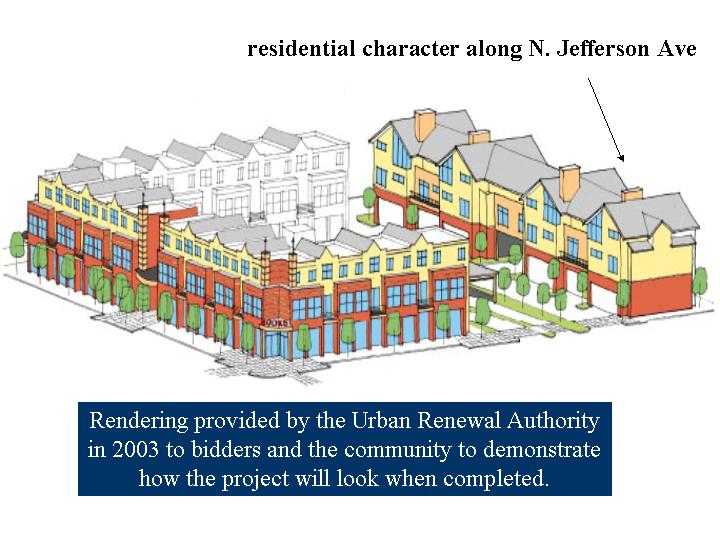
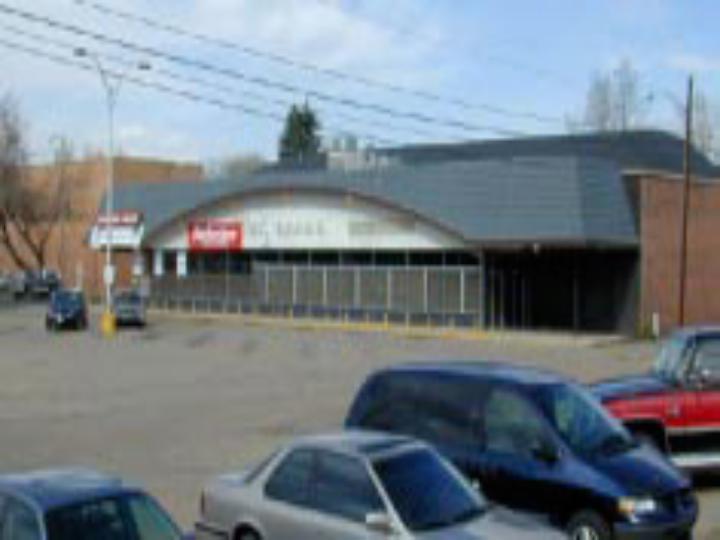
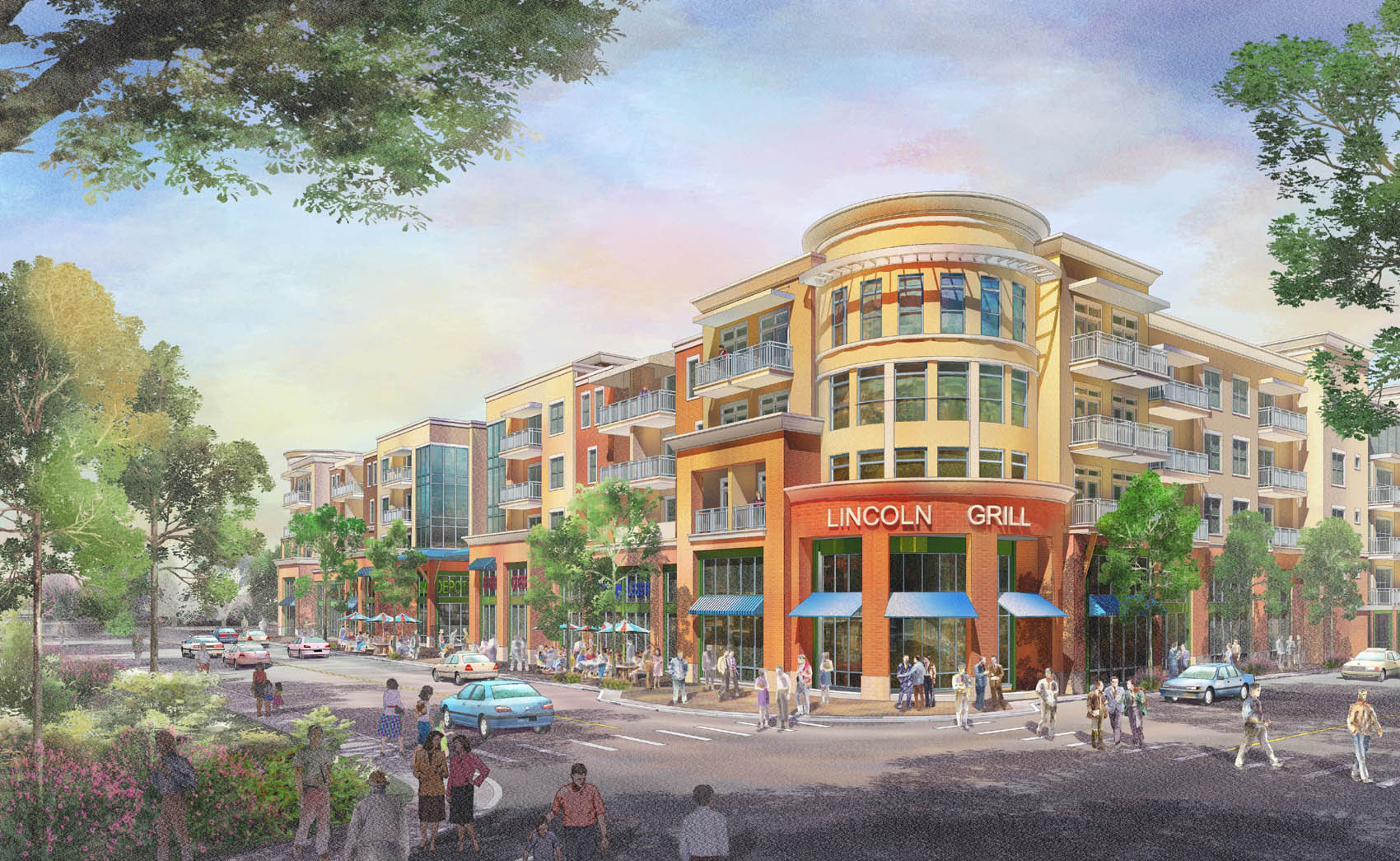
| Lincoln Place history in pictures - renderings, pictures and how they differ. 1. See the rendering provided to bidders of the Loveland Urban Renewal Authority vision for the property. Twenty nice townhomes over some retail instead of the enclosed 190 apartments over retail that was built instead. 2. See the original Walgreens on the property before it became a redevelopment project 3. What it looks like now, a large office building in downtown with no open space or enough parking. 4. See the full size rendering by the Loveland Urban Redevelopment Authority on their website of the "catalyst" project. |

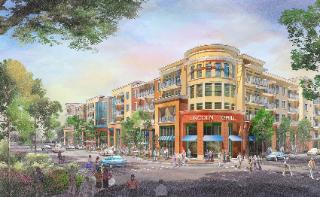
| 25 Years of Public Debt Approved (not spent) to Subsidize the Lincoln Place Developer Wants to Eliminate Public Parking |
| Want to live in Lincoln Place? Click here to see layouts of the apartments, prices and contact information |
| Formerly Walgreens and before that Sullivan's Drugstore |