In what appears like a mad dash to get anything on the ballot regarding a regional
RTA tax, City Manager Don Williams told the City Council at their July 3, 2007
Council meeting he would bring “something� to them before the September 4,
deadline to get a regional sales tax increase on Loveland’s November ballot. He
said all but one issue has been “hammered out� between the remaining local
governments in the proposed Regional Transportation Authority (RTA).
Councilman Walt Skowron inquired about the impact the departure of Ft. Collins
from the regional transportation authority and asked how much time the Council will
have to consider the constantly changing complex proposal. Williams responded â
€œyou will have days not weeks.â€�
Williams discussed three recent meetings between city managers from area cities and
some members of the “citizens� steering committee. He accused Larimer
County staff of making “ultimatumsâ€� regarding a specific project that if it isnâ
€™t in the plan the County of Larimer would also pull out of the plan. He also
questioned whether the staff member was really speaking with authority from County
Commissioners.
Williams acknowledged that Ft. Collins’ City Council vote to not participate in
the RTA regional sales tax plan means Loveland will be saddled with a 1% increase
in its sales tax that will be distributed back to various cities using a combined formula
of population and point of sale. Shoppers in Ft. Collins will not be burdened with this
extra-sales tax since a majority of their City Council did not agree with the RTA
proposal. At issue was whether people should be taxed a second time for road
improvements the McWhinneys already agreed to provide in exchange for future
sales taxes.
Smaller cities pushed for the population method of sales tax distribution since this will
in aggregate mean that sales taxes collected in Loveland goes to smaller communities
that don’t have significant retail sales. Williams justified this hemorrhaging of
Loveland’s sales tax dollars outside the city by stating people shopping in
Loveland also come from outside the community thus the money should be returned
to their communities. He also added that Centerra’s extra sales tax would mean
that portion of Loveland will have a 2% higher sales tax than Ft. Collins.
Some in the city see the redistribution of the sales tax based on population as a failure
by Don Williams to adequately represent the interest of Loveland taxpayers in the
RTA negotiation with surrounding cities. As one city staff member, who asked not to
be identified, noted, “Williams is violating Public Administration rule 101.
Shoppers from Tinmath or Windsor use our roads to get here, depend on our police
for public safety when shopping here and if they have a heart attack expect our
emergency services to attend to them.� In others words, sales tax generated in
Loveland doesn’t come without a cost to the community and using it to provide
roads outside Loveland is a net loss to Loveland residents.
Williams blamed the lack of popular support for the RTA sales tax increase on the
view that “development isn’t paying its way.� See Lovelandpolitics story
regarding the “lobby letter� Loveland’s city manager sent in a desperate
attempt to quell the rising concerns over the RTA money being diverted to cover the
McWhinney’s obligations to the City of Lovaland.
RTA tax, City Manager Don Williams told the City Council at their July 3, 2007
Council meeting he would bring “something� to them before the September 4,
deadline to get a regional sales tax increase on Loveland’s November ballot. He
said all but one issue has been “hammered out� between the remaining local
governments in the proposed Regional Transportation Authority (RTA).
Councilman Walt Skowron inquired about the impact the departure of Ft. Collins
from the regional transportation authority and asked how much time the Council will
have to consider the constantly changing complex proposal. Williams responded â
€œyou will have days not weeks.â€�
Williams discussed three recent meetings between city managers from area cities and
some members of the “citizens� steering committee. He accused Larimer
County staff of making “ultimatumsâ€� regarding a specific project that if it isnâ
€™t in the plan the County of Larimer would also pull out of the plan. He also
questioned whether the staff member was really speaking with authority from County
Commissioners.
Williams acknowledged that Ft. Collins’ City Council vote to not participate in
the RTA regional sales tax plan means Loveland will be saddled with a 1% increase
in its sales tax that will be distributed back to various cities using a combined formula
of population and point of sale. Shoppers in Ft. Collins will not be burdened with this
extra-sales tax since a majority of their City Council did not agree with the RTA
proposal. At issue was whether people should be taxed a second time for road
improvements the McWhinneys already agreed to provide in exchange for future
sales taxes.
Smaller cities pushed for the population method of sales tax distribution since this will
in aggregate mean that sales taxes collected in Loveland goes to smaller communities
that don’t have significant retail sales. Williams justified this hemorrhaging of
Loveland’s sales tax dollars outside the city by stating people shopping in
Loveland also come from outside the community thus the money should be returned
to their communities. He also added that Centerra’s extra sales tax would mean
that portion of Loveland will have a 2% higher sales tax than Ft. Collins.
Some in the city see the redistribution of the sales tax based on population as a failure
by Don Williams to adequately represent the interest of Loveland taxpayers in the
RTA negotiation with surrounding cities. As one city staff member, who asked not to
be identified, noted, “Williams is violating Public Administration rule 101.
Shoppers from Tinmath or Windsor use our roads to get here, depend on our police
for public safety when shopping here and if they have a heart attack expect our
emergency services to attend to them.� In others words, sales tax generated in
Loveland doesn’t come without a cost to the community and using it to provide
roads outside Loveland is a net loss to Loveland residents.
Williams blamed the lack of popular support for the RTA sales tax increase on the
view that “development isn’t paying its way.� See Lovelandpolitics story
regarding the “lobby letter� Loveland’s city manager sent in a desperate
attempt to quell the rising concerns over the RTA money being diverted to cover the
McWhinney’s obligations to the City of Lovaland.
LovelandPolitics.com

| Loveland City Manager Accuses County Staff of Making "Ultimatums" Not Approved by Commissioners |
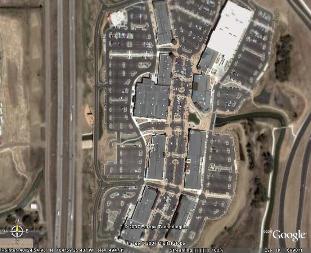
| Centerra |
| Click here to read story and letter sent by Don Williams to Ft. Collins' Mayor Defending McWhinney's Windfall of RTA funding - |
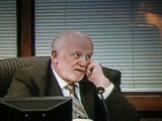
| Loveland City Manager, Don Williams |
| Loveland's city government failed to achieve goals in RTA negotiation but Williams continues to push for putting it on the ballot - McWhinneys appear to be only ones to benefit. Loveland Wanted: A "point-of-sale" distribution of revenue Loveland Got: A population and point of sale distribution of revenue Result Smaller communities like Timnath will receive sales tax dollars generated in Loveland to fix their roads since they don't generate enough sales tax in their town Loveland Wanted A regional transportation plan where all the larger cities participate equally Loveland Got A regional transportation plan where the largest city (Ft. Collins) is not participating Result Loveland shoppers will be paying 1% to 2% more sales tax than shoppers in Ft. Collins thus potentially impacting retail businesses in Loveland in the future McWhinney Enterprises Wanted Interchange improvements paid by RTA funds that otherwise were supposed to be covered by their 25 year tax diversion agreement McWhinney Enterprises Got RTA proposing NEW sales tax to fund improvements the McWhinneys Were "on the hook" to fix with their 25 year tax windfall. |
| Denver lobbyist letter falsely claims Loveland already has "chosen" to support the RTA ballot initiative. Click here to see details and read the letter signed by former Loveland Mayor and State House Rep. Don Marostica. |