Are homes really going up in value in Loveland? If you read The Group and other local real estate news flyers and buyer’s information
guides one would believe that is true.
The fact is many young families lost everything in the local real estate market in the past few years but you will not read about it in our local
paper. Loveland realtors will celebrate even the most modest increase in the value of the average home even if it barely keeps pace with
inflation, which means it wasn’t an increase in real value at all. Homebuilders and real estate brokers are also an important source of revenue
for the Loveland Reporter-Herald. As a result, the Reporter-Herald appears to be very reluctant to report any news contrary to the industry but
always quick to report any positive aspects of real estate thus giving its readers only half of the story.
The general statistics most often used by real estate brokers are misleading for a number of reasons. Primarily, the average sales price of homes
in an area doesn’t account for the fact many newer homes are now being sold with bigger master bathrooms, larger master suites and bigger
garages. More importantly, they are generally larger in square footage than homes were 15-20 years ago. As the average home being sold
includes more sq. ft., with more amenities, it means the median home prices appear to be rising slightly.
Added for inflation, and considering the age of the home, it is difficult to find residential properties in Loveland that have done well during the past
five years when compared to national averages. The slump is due to the oversupply of new homes combined with dropping wages as high tech
employers like Kodak and HP have phased out and low-paying retail is growing.
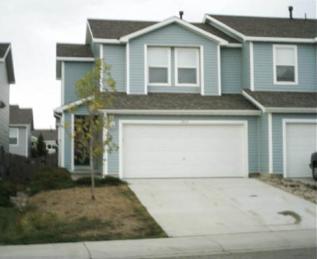
In June of 2002, Geovanni and Marina Giron purchased a property in Loveland hoping for a bright future and improving home values. Instead,
they were in foreclosure four years later owing more than the home was worth. They paid KB Homes $174,900 for a new 3 bedroom
townhouse located at 1977 Dove Creek just off 43rd and Taft in Loveland.
Countrywide Mortgage and later the Veteran’s Administration that backed their loan, were forced to sell the house for the best price they
could get. Unlike many foreclosures, the Giron’s took excellent care of the property and even listed it with a local broker after moving thus
leaving the house in excellent condition. If the house hadn’t appreciated even $1, but accounting for inflation from the time it was purchased,
they should have sold the house for $189,680. Instead, they couldn’t sell it for what they paid 3-years before. Jesse and Jennifer Powers
submitted a winning bid to the VA after the house went back to the bank of $148,000. The Girons lost their home, any down payment, money
spent improving the house, their credit and will need to pay taxes on any amount of the loan the bank had to forgive.
Imagine, four short years later and the house lost $41,680 in value; that is an annual loss of $10,00 or approximately 7% every year they owned
the house.
Lawrence and Janeen McGrew bought their first house from Capital Pacific Homes in Loveland in March of 2002 for $230,000 and used the
developer’s preferred lender, National City Mortgage, to mortgage the ranch home in a new development. They took advantage, like many,
of the introductory low interest rates for the first three years they owned the house. Following a separation and job loss, Lawrence discovered
he had been sold a house he couldn’t sell for what he owed. Trying not to lose the house, he attempted to lease the property for less than
his payments that were now growing each year. He discovered the rental market was flooded with new homes just like his and Loveland was
experiencing an unprecedented vacancy rate on rentals of 29%. After spending hundreds of dollars trying to lease the home, he finally lost it to
foreclosure.
National City Mortgage fell back on Fannie Mae (the backer of the loan) that was now taking notice of the high number of foreclosures in
Northern Colorado. By the time Jon and Sarah Nyhart bought the large ranch with a full basement they paid $218,000. Adjusted for inflation,
the house should have sold at $245,509 if there had been zero appreciation during the 3-year period. The loss in value over the 3-year period
was $27,509.
The above two examples are new home-buyers. However, buyers of older homes didn’t fare any better during the same period. When a
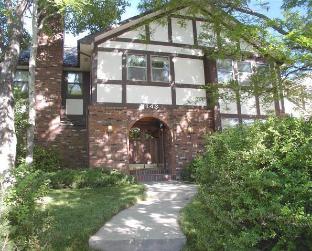
local prominent dentist in town, Dr. Mioduski, sold his 4,400 sq. ft. custom home in the Fairway West subdivision near the Ole’ Course, it
was the summer of 2000. The real estate market had been hot for the previous 5-years so Randy and Sheila Roberts felt they were getting a
great deal at only $349,000. Randy, an Agilent employee, took meticulous care of the large English Tudor style home with an Olympic size
swimming pool (40 ft. long) and over 5-bedrooms.
When the Roberts transferred to another state, they sold the home for $329,000 to some friends. Randy Roberts felt lucky to have sold so
quickly in a market where neighboring houses had been on the market literally for years. Not adjusting for inflation, the Roberts lost $20,000
(not including house payments) by purchasing a home in Loveland.
The City of Loveland has continued to approve new permits for both single family and multiple family housing. The recent increase in interest
rates has slowed the sales of new homes in Loveland thus slowing the number of new houses being built. Nonetheless, buying a home in
Loveland should only be done by people with at least 20% down who could afford to keep the home for an indefinite period of time.
Adjustable rate mortgages, step-up interest rates and 80/20 loans for those unable to save a down payment are not recommended in the current
market. Too many young families are now struggling to pay mortgages that are mostly interest on properties that don’t even keep pace with
inflation. Negative amortization loans are even worse as the homeowner sees their debt increasing in its value to the lender while their home
value is stagnant.
In the long run, we believe the values of homes in Loveland will start increasing again so people able to hold a property for 10 to 15 years have a
higher probability of getting a return on their investments. In the meantime, take what you read in the Reporter-Herald with a grain of salt and
rent if you really don’t have the funds necessary to buy a house.
Do you have a story to share? Please email us at Guchwale@aol.com
guides one would believe that is true.
The fact is many young families lost everything in the local real estate market in the past few years but you will not read about it in our local
paper. Loveland realtors will celebrate even the most modest increase in the value of the average home even if it barely keeps pace with
inflation, which means it wasn’t an increase in real value at all. Homebuilders and real estate brokers are also an important source of revenue
for the Loveland Reporter-Herald. As a result, the Reporter-Herald appears to be very reluctant to report any news contrary to the industry but
always quick to report any positive aspects of real estate thus giving its readers only half of the story.
The general statistics most often used by real estate brokers are misleading for a number of reasons. Primarily, the average sales price of homes
in an area doesn’t account for the fact many newer homes are now being sold with bigger master bathrooms, larger master suites and bigger
garages. More importantly, they are generally larger in square footage than homes were 15-20 years ago. As the average home being sold
includes more sq. ft., with more amenities, it means the median home prices appear to be rising slightly.
Added for inflation, and considering the age of the home, it is difficult to find residential properties in Loveland that have done well during the past
five years when compared to national averages. The slump is due to the oversupply of new homes combined with dropping wages as high tech
employers like Kodak and HP have phased out and low-paying retail is growing.
In June of 2002, Geovanni and Marina Giron purchased a property in Loveland hoping for a bright future and improving home values. Instead,
they were in foreclosure four years later owing more than the home was worth. They paid KB Homes $174,900 for a new 3 bedroom
townhouse located at 1977 Dove Creek just off 43rd and Taft in Loveland.
Countrywide Mortgage and later the Veteran’s Administration that backed their loan, were forced to sell the house for the best price they
could get. Unlike many foreclosures, the Giron’s took excellent care of the property and even listed it with a local broker after moving thus
leaving the house in excellent condition. If the house hadn’t appreciated even $1, but accounting for inflation from the time it was purchased,
they should have sold the house for $189,680. Instead, they couldn’t sell it for what they paid 3-years before. Jesse and Jennifer Powers
submitted a winning bid to the VA after the house went back to the bank of $148,000. The Girons lost their home, any down payment, money
spent improving the house, their credit and will need to pay taxes on any amount of the loan the bank had to forgive.
Imagine, four short years later and the house lost $41,680 in value; that is an annual loss of $10,00 or approximately 7% every year they owned
the house.
Lawrence and Janeen McGrew bought their first house from Capital Pacific Homes in Loveland in March of 2002 for $230,000 and used the
developer’s preferred lender, National City Mortgage, to mortgage the ranch home in a new development. They took advantage, like many,
of the introductory low interest rates for the first three years they owned the house. Following a separation and job loss, Lawrence discovered
he had been sold a house he couldn’t sell for what he owed. Trying not to lose the house, he attempted to lease the property for less than
his payments that were now growing each year. He discovered the rental market was flooded with new homes just like his and Loveland was
experiencing an unprecedented vacancy rate on rentals of 29%. After spending hundreds of dollars trying to lease the home, he finally lost it to
foreclosure.
National City Mortgage fell back on Fannie Mae (the backer of the loan) that was now taking notice of the high number of foreclosures in
Northern Colorado. By the time Jon and Sarah Nyhart bought the large ranch with a full basement they paid $218,000. Adjusted for inflation,
the house should have sold at $245,509 if there had been zero appreciation during the 3-year period. The loss in value over the 3-year period
was $27,509.
The above two examples are new home-buyers. However, buyers of older homes didn’t fare any better during the same period. When a
local prominent dentist in town, Dr. Mioduski, sold his 4,400 sq. ft. custom home in the Fairway West subdivision near the Ole’ Course, it
was the summer of 2000. The real estate market had been hot for the previous 5-years so Randy and Sheila Roberts felt they were getting a
great deal at only $349,000. Randy, an Agilent employee, took meticulous care of the large English Tudor style home with an Olympic size
swimming pool (40 ft. long) and over 5-bedrooms.
When the Roberts transferred to another state, they sold the home for $329,000 to some friends. Randy Roberts felt lucky to have sold so
quickly in a market where neighboring houses had been on the market literally for years. Not adjusting for inflation, the Roberts lost $20,000
(not including house payments) by purchasing a home in Loveland.
The City of Loveland has continued to approve new permits for both single family and multiple family housing. The recent increase in interest
rates has slowed the sales of new homes in Loveland thus slowing the number of new houses being built. Nonetheless, buying a home in
Loveland should only be done by people with at least 20% down who could afford to keep the home for an indefinite period of time.
Adjustable rate mortgages, step-up interest rates and 80/20 loans for those unable to save a down payment are not recommended in the current
market. Too many young families are now struggling to pay mortgages that are mostly interest on properties that don’t even keep pace with
inflation. Negative amortization loans are even worse as the homeowner sees their debt increasing in its value to the lender while their home
value is stagnant.
In the long run, we believe the values of homes in Loveland will start increasing again so people able to hold a property for 10 to 15 years have a
higher probability of getting a return on their investments. In the meantime, take what you read in the Reporter-Herald with a grain of salt and
rent if you really don’t have the funds necessary to buy a house.
Do you have a story to share? Please email us at Guchwale@aol.com
| LovelandPolitics.com |

| Bought in 2000 for $349,000, the owner felt "lucky" to sell it for $329,000 five years later |
| Are Loveland Homes Losing Value? |
| Bought in 2002 for $174,000, this home at 1977 Dove Creek sold in 2006 for $148,000 |
| Click here to read a story in the Denver Post about this subject in more detailed coverage |